When GLP-1 treatment reduces your appetite, meeting your protein needs becomes harder and more important. Learn how much protein you truly need and practical ways to get enough.
When you start GLP-1 treatment, something unexpected happens. Your appetite changes in ways that feel almost counterintuitive. Foods that used to demand your attention now sit quietly on the sidelines. Meals that once felt necessary shrink naturally. And while this is exactly what the medication is designed to do, it introduces a problem that few people talk about upfront: getting enough protein becomes significantly harder, and the consequences of falling short are more serious than most people realize.
Protein is not just another nutrient. It is the building block of muscle, the foundation of immune function, and a critical player in keeping your metabolism active during a period when your body is actively losing weight. When you eat less overall, the proportion of protein in your diet matters far more than it did before. A meal that used to deliver adequate protein may no longer cut it when your total food intake drops by 30 or 40 percent.

Why Protein Matters More During Weight Loss
Muscle loss is one of the most underestimated risks of any weight loss journey. When your body needs energy and you are consuming fewer calories than it requires, it does not only tap into fat stores. It also breaks down muscle protein for fuel. This process accelerates when weight loss happens quickly, which is precisely what GLP-1 medications are designed to produce.
Preserving muscle matters for several reasons beyond just strength and appearance. Muscle tissue is metabolically active, meaning it burns calories even at rest. The more muscle you retain during weight loss, the better your body can maintain a higher resting metabolic rate. Losing muscle, on the other hand, slows your metabolism and makes long-term weight maintenance harder. Studies on caloric restriction and weight loss consistently show that significant portions of lost weight can come from lean tissue rather than fat when protein intake is inadequate.
Beyond metabolism, muscle plays a role in glucose regulation. Skeletal muscle is the primary site where your body absorbs glucose from the bloodstream after a meal. More muscle means better insulin sensitivity, which is directly relevant to the population using GLP-1 medications, many of whom are managing insulin resistance or prediabetes.
The Math Behind Protein Needs During GLP-1 Treatment
General dietary guidelines often suggest around 0.8 grams of protein per kilogram of body weight per day for the average adult. That recommendation was designed for maintenance, not for the metabolic demands of active weight loss with reduced caloric intake.
During GLP-1 treatment, most experts recommend bumping that intake to somewhere between 1.2 and 1.6 grams per kilogram of body weight. For a person weighing 85 kilograms, that translates to roughly 100 to 135 grams of protein daily, distributed across meals rather than concentrated in a single dinner.
To put that in practical terms, 30 grams of protein is roughly what you get from four eggs, a serving of Greek yogurt, a chicken breast, or a combination of legumes and grains. Hitting 100 grams means planning three meals with meaningful protein sources rather than relying on one protein-heavy dinner to carry the entire load.
The challenge is that GLP-1 medications reduce overall appetite, which means people naturally gravitate toward smaller, less protein-dense meals. A typical breakfast of toast and coffee delivers very little protein. A light lunch of soup and bread is similarly sparse. Without deliberate planning, the gap between what your body needs and what you are consuming widens rapidly.
Tracking your intake for the first few weeks can be eye-opening. The OzemPro app allows you to log meals and see a real-time breakdown of protein, calories, and other nutrients so you can identify exactly where the gaps are. Start tracking your meals here.
Spacing Protein Throughout the Day
Research on protein distribution suggests that the body can effectively utilize roughly 25 to 40 grams of protein per meal. Eating your entire daily protein target in one sitting does not provide the same anabolic benefit as spreading it across three or four meals. The muscles have a limited capacity to absorb amino acids at any given time, and excess protein does not simply get stored for later use in the same way that carbohydrates do.
For practical purposes, this means aiming for at least 25 to 30 grams of protein at breakfast, lunch, and dinner, with a potential fourth serving as a snack if your total target has not been reached. This approach also helps manage hunger more effectively, since protein produces stronger satiety signals than carbohydrates or fats.
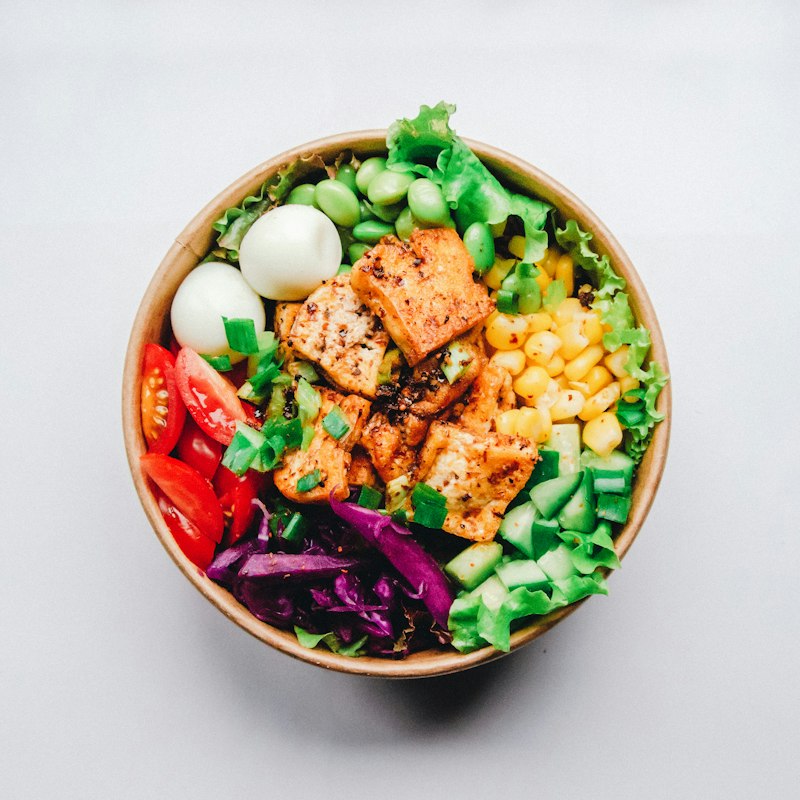
Practical Sources of High-Quality Protein
Animal-based proteins such as chicken, fish, eggs, and dairy provide complete amino acid profiles, meaning they contain all nine essential amino acids that the body cannot synthesize on its own. Plant-based options like legumes, tofu, tempeh, and quinoa also offer substantial protein, though most plant sources are incomplete and need to be combined with other foods to deliver a full amino acid profile.
Whey protein powder is a convenient option for people who struggle to get enough protein from whole foods alone. A single scoop of whey protein typically delivers 20 to 25 grams of protein and can be mixed into smoothies, oatmeal, or just water. For people experiencing significant appetite suppression, a daily protein shake can be the difference between meeting your target and falling short.
Eggs remain one of the most efficient protein sources relative to portion size and cost. Two eggs provide about 12 grams of protein, and adding cheese or cottage cheese to the meal increases that figure substantially without dramatically increasing volume.
Fish and seafood are particularly valuable during weight loss because they provide high protein with relatively low fat content, and the omega-3 fatty acids found in fatty fish like salmon have anti-inflammatory properties that may support the metabolic changes happening during treatment.
Signs You May Be Falling Short on Protein
Some indicators suggest that your protein intake is inadequate. Persistent fatigue that does not correlate with caloric intake can be a signal, since your body may be breaking down muscle for fuel when amino acid availability is low. Hair thinning and skin changes can also emerge during periods of protein deficit, as the body prioritizes vital organ function over hair and skin health.
Loss of strength and difficulty with activities that previously felt manageable is another warning sign. If climbing stairs becomes harder after weeks of treatment despite stable or reduced weight, the issue may be muscle loss rather than just decreased appetite affecting your energy levels.
Slow recovery from exercise or illness can also point to insufficient protein, since the immune system and tissue repair processes depend on adequate amino acid availability.
The OzemPro app includes a symptom and health tracking feature that lets you monitor energy levels, strength, and other markers over time. By connecting these observations to your food logs, you can spot patterns that might otherwise go unnoticed. Many users find that reviewing their protein intake alongside their energy ratings reveals a clear connection they had not previously considered.
Adjusting Your Diet as Treatment Progresses
Your protein needs may shift as your dose increases and your body composition changes. As weight loss slows or plateaus, maintaining muscle becomes even more critical, since the metabolic advantage of higher muscle mass becomes a key factor in preventing the stall that frustrates so many people on GLP-1 medications.
Reassessing your protein intake every four to six weeks, especially after dose adjustments, helps ensure you are eating in alignment with your current body's needs rather than the needs you had at the start of treatment. A registered dietitian familiar with GLP-1 medications can provide personalized guidance, but building the habit of self-monitoring puts you in control of a variable that significantly influences your outcomes.
The goal is not to obsess over every gram of protein. It is to build awareness of whether your current diet supports the physical changes your body is undergoing. Small adjustments, like adding a Greek yogurt to your breakfast or choosing salmon over pasta for dinner, can close the protein gap without requiring dramatic lifestyle overhauls.
Bottom Line
GLP-1 medications handle the hunger problem with remarkable effectiveness. What they do not do is automatically ensure your body gets the nutrients it needs to lose weight in a healthy, sustainable way. Protein is the nutrient most likely to fall short when overall food intake drops, and the consequences extend beyond muscle loss into metabolic rate, immune function, and long-term treatment success.
Planning meals around protein targets, distributing intake across the day, and monitoring how your body responds are practical steps that complement the medication's mechanism. The OzemPro app was built to support exactly this kind of ongoing self-awareness. You can log meals, track symptoms, and review your data in one place rather than juggling multiple tools. Take a look at how it works.
Getting this right matters. The difference between losing weight with muscle intact and losing weight at the expense of your metabolism is largely decided by what you eat and when you eat it. Make protein a priority, and give your body the support it needs to produce results that last.
Aviso: Este conteúdo é apenas informativo e não substitui orientação médica profissional. Consulte sempre seu médico antes de iniciar, alterar ou interromper qualquer tratamento.


